
Firearms in an Estate: An Executor's Guide to RCMP Form 6016
Being named the executor of an estate comes with a long list of responsibilities — and for many Canadian families, that list includes something unexpected: firearms. A rifle in the back of a closet, a handgun in a safe, a collection built quietly over decades. If you've recently discovered firearms among a loved one's belongings, you may be unsure what you're legally allowed to do, and what the RCMP expects of you.
The good news is that there's a clear, lawful path forward. Here's what executors — and the firearm owners who want to make this easier for their families — need to know.
First, secure the firearms
Your first duty is simple: make sure the firearms are stored safely and securely. Under Canadian law, an executor may take possession of the firearms in an estate for a reasonable period while the estate is being settled — even if you don't personally hold a Possession and Acquisition Licence (PAL). You are not breaking the law simply by being responsible for them.
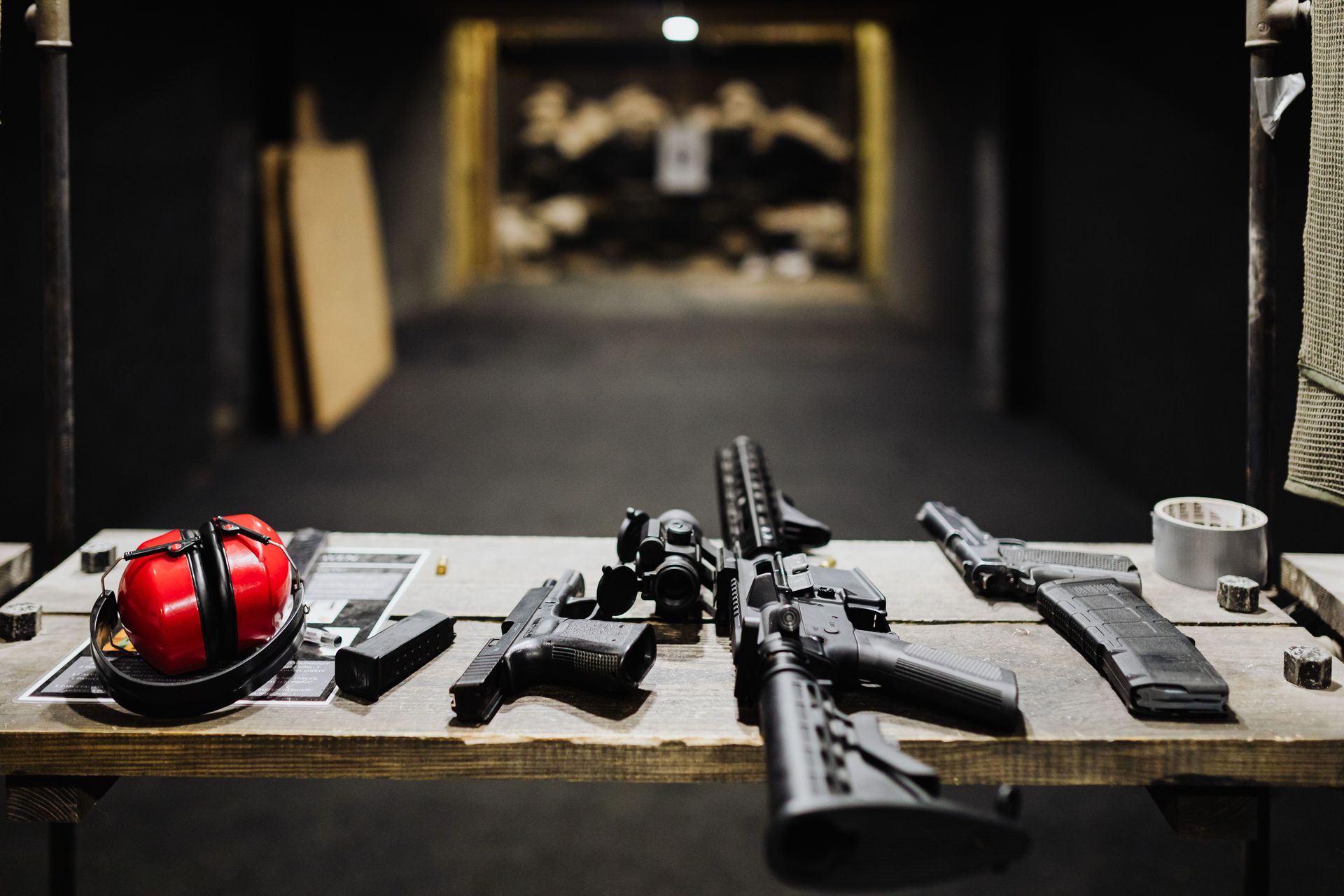
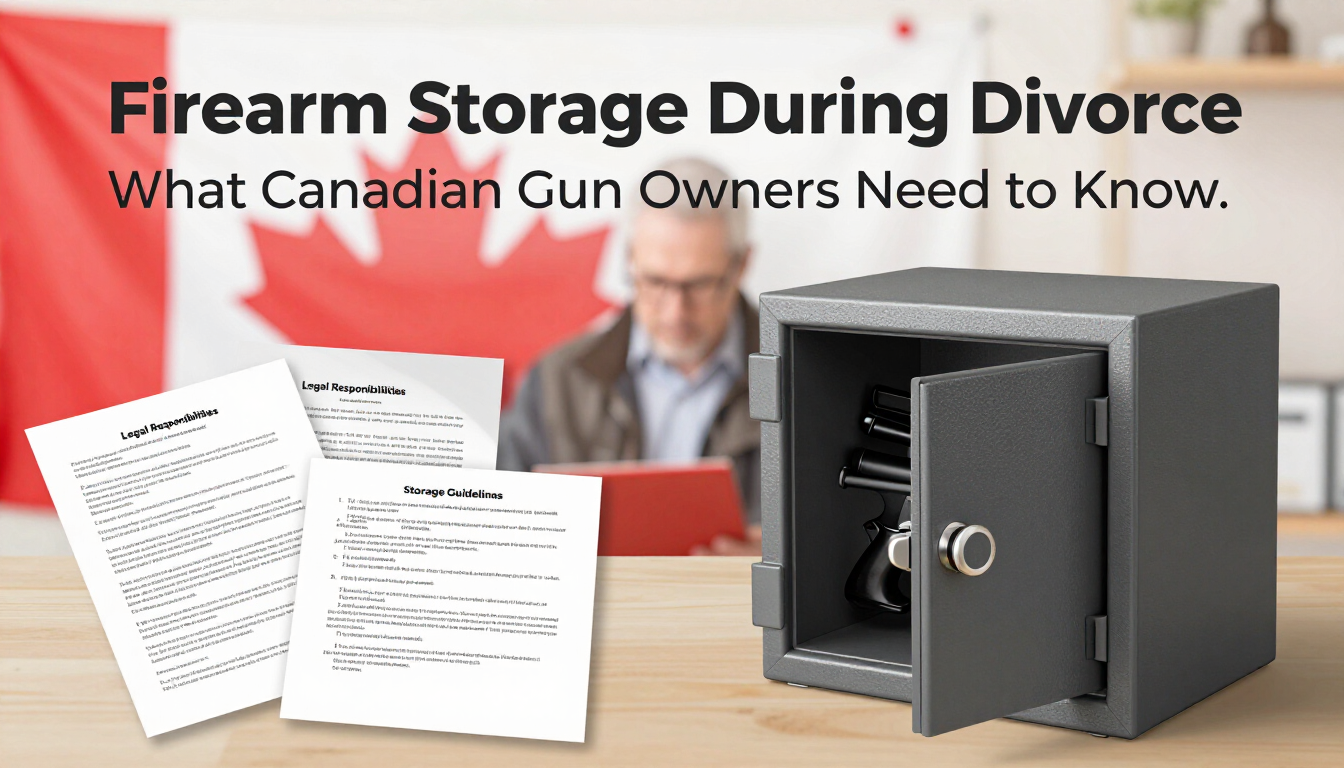
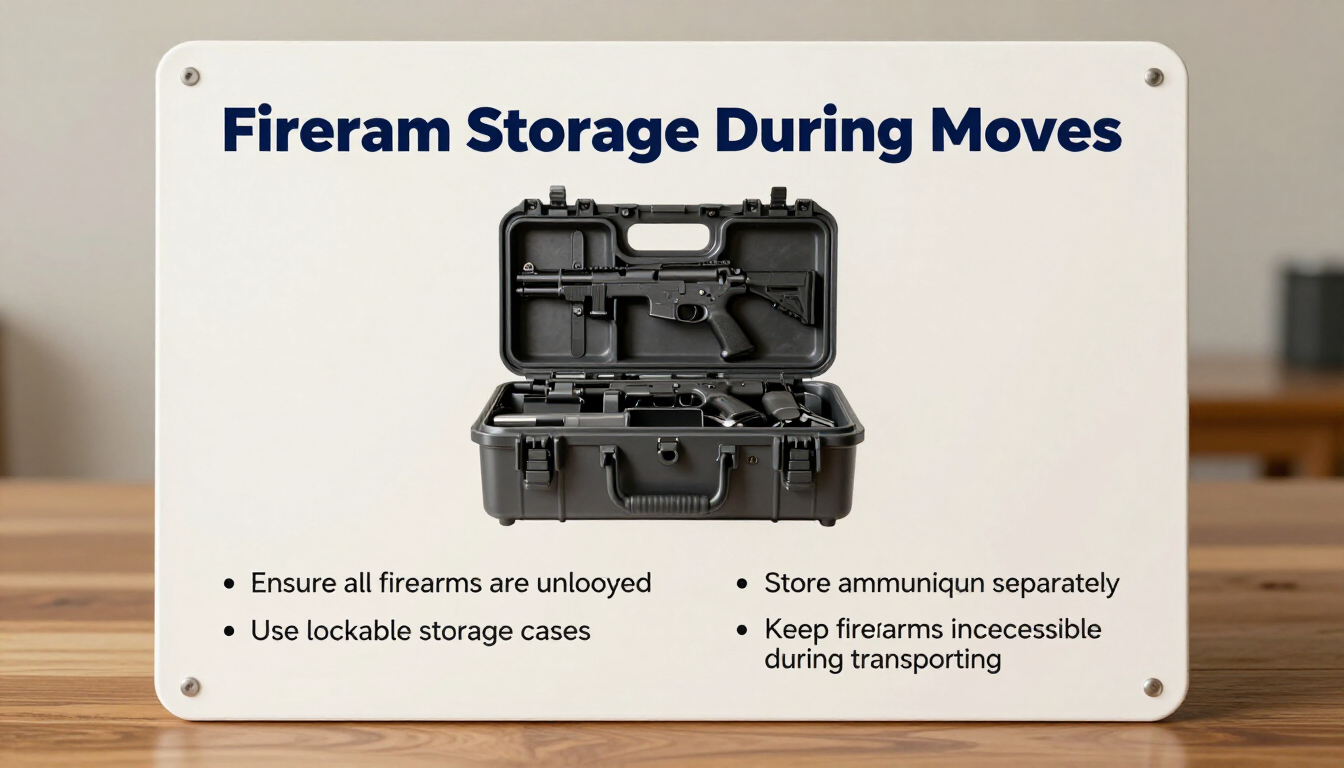
What you cannot do is leave them unsecured. Firearms must be stored in compliance with Canada's safe-storage regulations throughout the process — locked, with ammunition stored separately, and restricted or prohibited firearms secured to the higher standard the law requires.
The form you'll file: RCMP Form 6016
To act on behalf of the estate, the executor notifies the RCMP's Canadian Firearms Program using Form 6016 – Declaration of Authority to Act on Behalf of an Estate . Along with the form, you'll need to provide proof of death and of your authority to act — a death certificate, letters of probate, or a document on official letterhead from a police department or coroner confirming the registered owner is deceased.
This form is what formally recognizes you as the person handling the deceased's firearms. It's the starting point for almost everything that follows, so it's worth filing early rather than leaving it until the estate is nearly settled.
Your avenues for the firearms
Once the firearms are secured and your authority is established, the estate has several lawful options. The right one depends on the wishes of the deceased and the family, the class of each firearm, and whether there's an eligible recipient:
- Transfer to an heir or beneficiary. The recipient must be at least 18 and hold a valid PAL with the correct privileges for that class of firearm. They don't have to be a family member.
- Sell or transfer to a licensed business or museum that is authorized to acquire that type of firearm.
- Permanently deactivate the firearm through an approved gunsmith, so it no longer meets the legal definition of a firearm.
- Export the firearm — contact Global Affairs Canada about permit requirements.
- Surrender the firearm to a police officer or firearms officer.
A few important nuances apply to restricted and prohibited firearms (most handguns, AR-pattern rifles, and firearms prohibited under the 2020 Order in Council). Transporting them requires an Authorization to Transport (ATT) issued by your provincial Chief Firearms Officer (CFO), and any transfer of a restricted or prohibited firearm must be approved by the CFO before it can take place. Handguns face additional limits under the current national handgun transfer freeze — they generally cannot be transferred to an individual unless that person qualifies for a specific exemption. When the firearm's status is unclear, the Canadian Firearms Program (1-800-731-4000) can confirm what's possible.
The part most executors don't expect: time
The law gives you a "reasonable time" to deal with estate firearms — but estates rarely move quickly. Probate can take months. Finding an eligible heir, arranging a sale, or simply deciding what the family wants to do is seldom something you can resolve in a weekend.
In the meantime, those firearms remain your responsibility. For many families, that means a grieving household is also storing firearms it never planned to keep — often without proper storage equipment, and sometimes with other relatives or children in the home. It's a stressful position to be in during an already difficult time.
Where licensed storage fits
This is where a licensed firearms storage facility can take real weight off your shoulders. Delivering the estate's firearms to a licensed facility:
- Removes them from the family home and into a secure, purpose-built facility.
- Satisfies the secure-storage obligation professionally , so you're not relying on a closet or a borrowed safe — and note that placing firearms into storage is not a transfer of ownership; the estate keeps every option open.
- Buys you unhurried time to settle the estate and make the right decision — transfer to an heir, sell, deactivate — without a clock pressuring you into a mistake.
At Steller Management, we're a federally licensed storage facility (storage licence 13848590) based in British Columbia and expanding to Alberta. We store non-restricted, restricted, and prohibited firearms, we work with executors and families regularly, and we handle the RCMP alternate-storage paperwork as part of bringing firearms into our care. For an executor juggling a dozen other tasks, having the firearms safely off-site with the paperwork handled can make a genuinely hard job a little simpler.
Planning ahead? Make it easier for your family
If you're a firearm owner reading this, the kindest thing you can do is leave your family a plan. Keep an up-to-date list of your firearms, note their class and registration status, keep your PAL current, and let your executor know your wishes. A few notes now can save your loved ones weeks of uncertainty later — and licensed storage can be part of that plan, too.
Questions? We're here to help
Every estate is different, and this article is general information, not legal advice. For the specifics of your situation — especially for restricted or prohibited firearms — confirm the current requirements with the Canadian Firearms Program (1-800-731-4000) or your provincial Chief Firearms Officer.
If you've inherited firearms and simply need them stored safely and legally while you sort everything out, we're glad to help. Reach out and we'll walk you through the process.
Steller Management
Phone: 604-305-4612
Email: info@stellermgmt.com
Website: stellermgmt.com
This article is provided for general informational purposes only and does not constitute legal advice. Firearms law in Canada is complex and subject to change. Always consult your provincial Chief Firearms Office and a qualified lawyer for advice specific to your situation.